ER00345
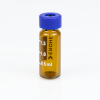
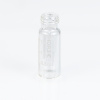
2 ml Clear Screw Vial, 9 mm Short Thread (9-425), Write-on Spot, 100/pk
2 ml, 9-425 short thread, 11.6 × 32 mm, Clear glass, Write-on spot
In stock in the Czech Republic (EU), ships Tue 13 Oct
€7.25 per pack of 100 €0.073 per vial
Glass autosampler and headspace vials for HPLC and GC: 2 ml screw vials with 8-425, 9 mm and 10-425 necks, 2 ml crimp vials, 0.3 ml vials with built-in inserts, 4 ml screw vials and 10-20 ml headspace vials, in clear and amber glass.
Vials come in packs of 100. The 2 ml 9 mm short-thread vials with write-on spot, clear and amber, are in stock in the Czech Republic (EU) and ship in 1 working day.
2 ml, 9-425 short thread, 11.6 × 32 mm, Clear glass, Write-on spot
In stock in the Czech Republic (EU), ships Tue 13 Oct
2 ml, 9-425 short thread, 11.6 × 32 mm, Amber glass, Write-on spot
In stock in the Czech Republic (EU), ships Tue 13 Oct
2 ml, 8-425, Clear, 11.6 × 32 mm
Lead time 3-4 weeks, ships from the Czech Republic (EU)
2 ml, 8-425, Clear, 11.6 × 32 mm
Lead time 3-4 weeks, ships from the Czech Republic (EU)
2 ml, 8-425, Amber, 11.6 × 32 mm
Lead time 3-4 weeks, ships from the Czech Republic (EU)
2 ml, 8-425, Amber, 11.6 × 32 mm
Lead time 3-4 weeks, ships from the Czech Republic (EU)
2 ml, 8-425, Clear, 11.6 × 32 mm
Lead time 3-4 weeks, ships from the Czech Republic (EU)
2 ml, 8-425, Clear, 11.6 × 32 mm
Lead time 3-4 weeks, ships from the Czech Republic (EU)
2 ml, 8-425, Amber, 11.6 × 32 mm
Lead time 3-4 weeks, ships from the Czech Republic (EU)
2 ml, 8-425, Amber, 11.6 × 32 mm
Lead time 3-4 weeks, ships from the Czech Republic (EU)
2 ml, 9 mm, Clear, 11.6 × 32 mm
Lead time 3-4 weeks, ships from the Czech Republic (EU)
2 ml, 9 mm, Clear, 11.6 × 32 mm
Lead time 3-4 weeks, ships from the Czech Republic (EU)
2 ml, 9 mm, Clear, 11.6 × 32 mm
Lead time 3-4 weeks, ships from the Czech Republic (EU)
2 ml, 9 mm, Amber, 11.6 × 32 mm
Lead time 3-4 weeks, ships from the Czech Republic (EU)
2 ml, 9 mm, Amber, 11.6 × 32 mm
Lead time 3-4 weeks, ships from the Czech Republic (EU)
2 ml, 9 mm, Clear, 11.6 × 32 mm
Lead time 3-4 weeks, ships from the Czech Republic (EU)
2 ml, 9 mm, Amber, 11.6 × 32 mm
Lead time 3-4 weeks, ships from the Czech Republic (EU)
0.3 ml, 9 mm, Clear, 11.6 × 32 mm
Lead time 3-4 weeks, ships from the Czech Republic (EU)
0.3 ml, 9 mm, Clear, 11.6 × 32 mm
Lead time 3-4 weeks, ships from the Czech Republic (EU)
0.3 ml, 9 mm, Amber, 11.6 × 32 mm
Lead time 3-4 weeks, ships from the Czech Republic (EU)
0.3 ml, 9 mm, Amber, 11.6 × 32 mm
Lead time 3-4 weeks, ships from the Czech Republic (EU)
2 ml, 9 mm, Clear, 11.6 × 32 mm
Lead time 3-4 weeks, ships from the Czech Republic (EU)
0.3 ml, 9 mm, Clear, 11.6 × 32 mm
Lead time 3-4 weeks, ships from the Czech Republic (EU)
0.3 ml, 9 mm, Amber, 11.6 × 32 mm
Lead time 3-4 weeks, ships from the Czech Republic (EU)
0.3 ml, 9 mm, Clear, 11.6 × 32 mm
Lead time 3-4 weeks, ships from the Czech Republic (EU)
2 ml, 10-425, Clear, 11.6 × 32 mm
Lead time 3-4 weeks, ships from the Czech Republic (EU)
2 ml, 10-425, Clear, 11.6 × 32 mm
Lead time 3-4 weeks, ships from the Czech Republic (EU)
2 ml, 10-425, Amber, 11.6 × 32 mm
Lead time 3-4 weeks, ships from the Czech Republic (EU)
2 ml, 10-425, Amber, 11.6 × 32 mm
Lead time 3-4 weeks, ships from the Czech Republic (EU)
2 ml, 11 mm, Clear, 11.6 × 32 mm
Lead time 3-4 weeks, ships from the Czech Republic (EU)
2 ml, 11 mm, Clear, 11.6 × 32 mm
Lead time 3-4 weeks, ships from the Czech Republic (EU)
2 ml, 11 mm, Amber, 11.6 × 32 mm
Lead time 3-4 weeks, ships from the Czech Republic (EU)
2 ml, 11 mm, Amber, 11.6 × 32 mm
Lead time 3-4 weeks, ships from the Czech Republic (EU)
2 ml, 11 mm, Clear, 11.6 × 32 mm
Lead time 3-4 weeks, ships from the Czech Republic (EU)
2 ml, 11 mm, Clear, 11.6 × 32 mm
Lead time 3-4 weeks, ships from the Czech Republic (EU)
2 ml, 11 mm, Amber, 11.6 × 32 mm
Lead time 3-4 weeks, ships from the Czech Republic (EU)
2 ml, 11 mm, Amber, 11.6 × 32 mm
Lead time 3-4 weeks, ships from the Czech Republic (EU)
2 ml, 11 mm, Clear, 11.6 × 32 mm
Lead time 3-4 weeks, ships from the Czech Republic (EU)
2 ml, 11 mm, Amber, 11.6 × 32 mm
Lead time 3-4 weeks, ships from the Czech Republic (EU)
0.3 ml, 11 mm, Clear, 11.6 × 32 mm
Lead time 3-4 weeks, ships from the Czech Republic (EU)
0.3 ml, 11 mm, Clear, 11.6 × 32 mm
Lead time 3-4 weeks, ships from the Czech Republic (EU)
0.3 ml, 11 mm, Amber, 11.6 × 32 mm
Lead time 3-4 weeks, ships from the Czech Republic (EU)
0.3 ml, 11 mm, Amber, 11.6 × 32 mm
Lead time 3-4 weeks, ships from the Czech Republic (EU)
4 ml, 13 mm, Clear, 14.5 × 45 mm
Lead time 3-4 weeks, ships from the Czech Republic (EU)
4 ml, 13 mm, Clear, 14.5 × 45 mm
Lead time 3-4 weeks, ships from the Czech Republic (EU)
4 ml, 13 mm, Amber, 14.5 × 45 mm
Lead time 3-4 weeks, ships from the Czech Republic (EU)
4 ml, 13 mm, Amber, 14.5 × 45 mm
Lead time 3-4 weeks, ships from the Czech Republic (EU)
4 ml, 13 mm, Clear, 14.5 × 45 mm
Lead time 3-4 weeks, ships from the Czech Republic (EU)
4 ml, 13 mm, Clear, 14.5 × 45 mm
Lead time 3-4 weeks, ships from the Czech Republic (EU)
4 ml, 13 mm, Amber, 14.5 × 45 mm
Lead time 3-4 weeks, ships from the Czech Republic (EU)
4 ml, 13 mm, Amber, 14.5 × 45 mm
Lead time 3-4 weeks, ships from the Czech Republic (EU)
8 ml, 15 mm, Clear, 16.6 × 60 mm
Lead time 3-4 weeks, ships from the Czech Republic (EU)
12 ml, 15 mm, Clear, 18.5 × 65 mm
Lead time 3-4 weeks, ships from the Czech Republic (EU)
8 ml, 15 mm, Amber, 16.6 × 60 mm
Lead time 3-4 weeks, ships from the Czech Republic (EU)
12 ml, 15 mm, Amber, 18.5 × 65 mm
Lead time 3-4 weeks, ships from the Czech Republic (EU)
10 ml, 18 mm, Clear, 22.5 × 46 mm
Lead time 3-4 weeks, ships from the Czech Republic (EU)
10 ml, 18 mm, Amber, 22.5 × 46 mm
Lead time 3-4 weeks, ships from the Czech Republic (EU)
20 ml, 18 mm, Clear, 22.5 × 75.5 mm
Lead time 3-4 weeks, ships from the Czech Republic (EU)
20 ml, 18 mm, Amber, 22.5 × 75.5 mm
Lead time 3-4 weeks, ships from the Czech Republic (EU)
6 ml, 20 mm, Clear, 22 × 38 mm
Lead time 3-4 weeks, ships from the Czech Republic (EU)
6 ml, 20 mm, Clear, 22 × 38 mm
Lead time 3-4 weeks, ships from the Czech Republic (EU)
10 ml, 20 mm, Clear, 22.5 × 46 mm
Lead time 3-4 weeks, ships from the Czech Republic (EU)
10 ml, 20 mm, Clear, 22.5 × 46 mm
Lead time 3-4 weeks, ships from the Czech Republic (EU)
10 ml, 20 mm, Clear, 22.5 × 46 mm
Lead time 3-4 weeks, ships from the Czech Republic (EU)
10 ml, 20 mm, Amber, 22.5 × 46 mm
Lead time 3-4 weeks, ships from the Czech Republic (EU)
10 ml, 20 mm, Clear, 22.5 × 46 mm
Lead time 3-4 weeks, ships from the Czech Republic (EU)
10 ml, 20 mm, Amber, 22.5 × 46 mm
Lead time 3-4 weeks, ships from the Czech Republic (EU)
20 ml, 20 mm, Clear, 22.5 × 75.5 mm
Lead time 3-4 weeks, ships from the Czech Republic (EU)
20 ml, 20 mm, Clear, 22.8 × 75.5 mm
Lead time 3-4 weeks, ships from the Czech Republic (EU)
20 ml, 20 mm, Clear, 22.5 × 75.5 mm
Lead time 3-4 weeks, ships from the Czech Republic (EU)
20 ml, 20 mm, Clear, 22.5 × 75.5 mm
Lead time 3-4 weeks, ships from the Czech Republic (EU)
20 ml, 20 mm, Clear, 22.8 × 75.5 mm
Lead time 3-4 weeks, ships from the Czech Republic (EU)
20 ml, 20 mm, Clear, 22.5 × 75.5 mm
Lead time 3-4 weeks, ships from the Czech Republic (EU)
20 ml, 20 mm, Amber, 22.5 × 75.5 mm
Lead time 3-4 weeks, ships from the Czech Republic (EU)
20 ml, 20 mm, Amber, 22.5 × 75.5 mm
Lead time 3-4 weeks, ships from the Czech Republic (EU)
20 ml, 24 mm, Clear, 27.5 × 57 mm
Lead time 3-4 weeks, ships from the Czech Republic (EU)
20 ml, 24 mm, Amber, 27.5 × 57 mm
Lead time 3-4 weeks, ships from the Czech Republic (EU)
30 ml, 24 mm, Clear, 27.5 × 75 mm
Lead time 3-4 weeks, ships from the Czech Republic (EU)
30 ml, 24 mm, Amber, 27.5 × 75 mm
Lead time 3-4 weeks, ships from the Czech Republic (EU)
40 ml, 24 mm, Clear, 27.5 × 95 mm
Lead time 3-4 weeks, ships from the Czech Republic (EU)
40 ml, 24 mm, Amber, 27.5 × 95 mm
Lead time 3-4 weeks, ships from the Czech Republic (EU)
60 ml, 24 mm, Clear, 27.5 × 140 mm
Lead time 3-4 weeks, ships from the Czech Republic (EU)
60 ml, 24 mm, Amber, 27.5 × 140 mm
Lead time 3-4 weeks, ships from the Czech Republic (EU)
No products match these filters.
Start from your autosampler: it decides the vial size and neck. Then pick the glass colour and the cap.
| Neck | Closure | Typical use |
|---|---|---|
| 9 mm short thread (9-425) | Screw cap with septum | The most common HPLC format; wide opening, easy to fill |
| 8 mm (8-425) | Screw cap with septum | Older and some specific autosamplers |
| 10 mm (10-425) | Screw cap with septum | Specific autosampler models |
| 11 mm crimp or snap | Aluminium crimp cap or snap cap | GC and volatile samples (crimp seals tightest) |
| 18 mm and 20 mm | Magnetic screw or crimp cap | Headspace GC |
Standard 2 ml vials measure 11.6 × 32 mm (often written 12 × 32 mm). Check the vial format in your autosampler manual; a free sample lets you test the fit in your rack.
Use amber glass for light-sensitive compounds. Use clear glass for everything else, so you can see the fill level and any particles.
PTFE/silicone septa suit most HPLC and GC work and reseal for repeat injections. Pre-slit septa reduce needle wear and stop a vacuum forming in the vial. Order caps and vials together: on EROHE, equal packs of 9 mm vials and caps get 5% off both.
For volumes under 1 ml, use a glass insert in a standard vial, or a vial with a built-in conical insert, so the needle can still reach the sample.
"2 ml" is the brim-full volume. Fill to about 1.5 ml so the needle has headspace; overfilling can cause vapour lock and poor repeatability.
Use amber glass for light-sensitive analytes. Clear glass for everything else, so you can see the fill level. There is no difference in chromatographic performance.
It depends on the autosampler. 8-425 has a narrow opening; the 9 mm short-thread neck has a wide opening of about 6 mm and is the most common HPLC format. Check the vial format in your autosampler manual.
It is a thread-finish code: 9 is the approximate outside diameter of the thread in millimetres and 425 is the thread style. Caps must match the vial thread, so 9 mm caps do not fit 8-425 or 10-425 vials.
For volumes under about 1 ml, a glass micro-insert in a standard vial keeps the sample within the needle's reach.